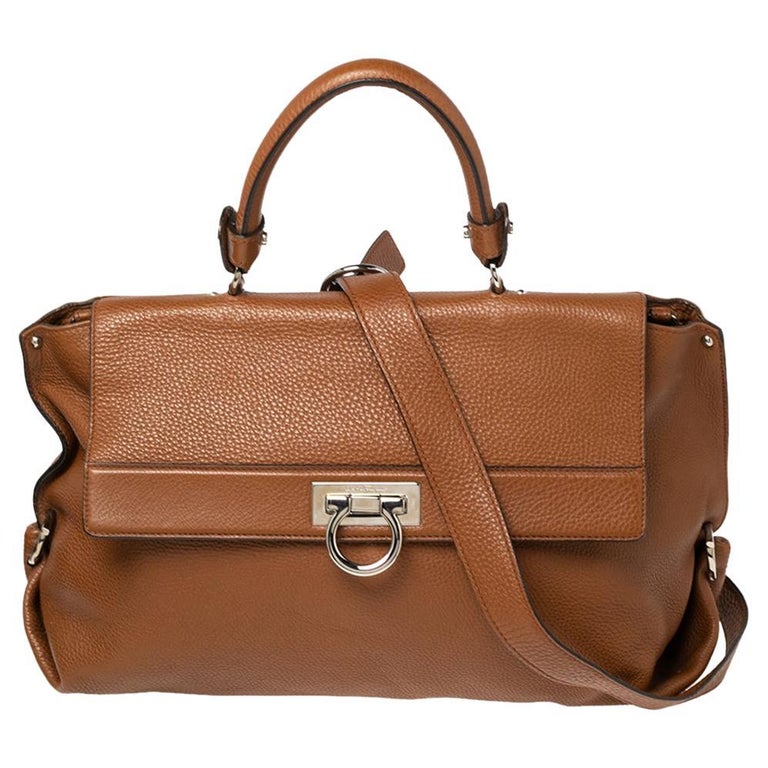
Ferragamo Handbag Maintenance 101: Keeping Your High-Value Buy Flawless
A Ferragamo bag is hardly a whim-driven purchase. It’s a deliberate, thought-through purchase, often saved for and chosen deliberately, so this is exactly the reason how you look after it later on carries such weight. Whether you’ve opted for a structured top-handle style or alternatively a softer, slung shoulder piece, the skins, fittings, and build were engineered to endure for years and years if you meet them halfway. Salvatore Ferragamo’s near-century-long reputation rests on masterful workmanship, yet that legacy only survives if owners grasp what their piece genuinely requires. What follows lays out the practical, no-frills upkeep habits that keep a Ferragamo bag looking closer to day one than year five.
Too many people treat luxury leather goods the same way they’d treat disposable fast-fashion items: purchase, wear, neglect, discard. A Ferragamo bag rewards a different approach. Small habits — how you store it, what you wipe it with, how you handle rain — accumulate over time into a noticeably better-kept piece. No specialist knowledge is needed. Steady, repeated effort is all it takes.
Knowing What You’re Really Maintaining
Before diving into products and routines, knowing the materials at hand makes a real difference, since Ferragamo bags vary considerably. The maison uses smooth calfskin, saffiano-textured leather, suede, and exotic-effect finishes, and each behaves differently under stress. Scuffing shows up differently on a smooth calfskin tote versus a saffiano-textured bag, and suede panels demand an entirely separate care vocabulary from polished leather. Check the care card or authenticity documentation that came with your bag — at purchase, Ferragamo generally supplies guidance tailored to the specific material, so hold onto that card instead of discarding it with the packaging.
The hardware is another commonly neglected consideration. A large number of Ferragamo bags feature the signature Gancini clasp or other metal closures in gold-tone, palladium, or ruthenium finishes. These finishes can tarnish with prolonged exposure to moisture, perfume, or skin oils, which is why a quick wipe-down of the hardware with a dry microfiber cloth after every wear pays off disproportionately. The interior lining, frequently a branded jacquard or canvas, also requires periodic care as stains and pen ink tend to mark it more easily than the exterior leather.
Understanding your bag’s particular build shapes how you handle every step new arrivals that follows, ranging from the cleaning products used to the humidity of storage. That’s what separates broad, generic advice from maintenance that truly protects the bag you own.
Daily and Weekly Habits That Prevent Damage
Most damage inflicted on a luxury bag isn’t caused in a single catastrophic event — it accumulates through small routine neglect. Resting it on coarse ground, wedging it into a car’s seat corner, or allowing sweat and lotion residue from bare skin to soak in all impose a slow cost. A simple rule: regard the bottom and edges as the most exposed areas, since they bear the highest degree of rubbing and handling.
- Wipe down the outer surface with a dry, soft cloth following every use to remove dust, oils, and surface grime before it works its way into the leather grain.
- Refrain from setting the bag directly on floors, especially in eateries, airports, or transit systems, where dirt and dampness bring about the greatest surface damage.
- Switch which arm or hand holds the bag to even out strap and handle wear uniformly rather than focusing pressure on a single point of contact.
- Empty the bag weekly to check for leaking pens, makeup spills, or crumbs that can stain lining fabric if left unattended.
- Keep receipts, keys, and metal objects in a dedicated pouch inside the bag to prevent scratching against the inner leather or metal fittings.
Not one of these tasks takes more than a couple of minutes, but skipping them consistently is how a bag just 2 years old ends up looking older than it should. Staying disciplined about it is an inexpensive safeguard against far more expensive repairs later.
Caring For Leather, Suede, and Metal Fittings Properly
How you clean depends completely on material, and applying an unsuitable cleaner can cause damage that’s difficult or impossible to reverse. For fine calfskin leather, a leather-specific cleaner used in small amounts with a soft cloth, then finished with a leather conditioner every few months, maintains suppleness and helps prevent cracking. Never use generic cleaners, baby wipes, or alcohol-based products on fine leather — these strip away the leather’s natural oils and can dull the finish permanently.
Saffiano leather is less sensitive with light moisture because of its textured, coated finish, but it still shouldn’t be soaked or scrubbed aggressively. A barely damp microfiber cloth followed by prompt drying using another dry cloth is typically enough for surface-level stains. Suede is the trickiest material in the Ferragamo lineup to care for; it calls for a specialized suede brush used in one direction to remove dirt, and any spills should be blotted immediately rather than scrubbed, which only pushes the stain further into the fabric’s texture.
Cleaning the hardware is more straightforward but still requires restraint. A soft, dry microfiber cloth manages regular care, and for tarnish buildup, a purpose-made metal-jewelry cloth — not a chemical polish, ever — brings back shine without damaging plating. Whenever it’s unclear if a stain or damage goes beyond what home care can fix, expert leather-restoration specialists who work with luxury handbags are a safer bet than experimenting yourself. Most irreversible damage actually happens when handbag owners attempt DIY fixes on an item of this worth.
How Storage Preserves Shape and Structure
How a Ferragamo bag is kept between wears counts nearly as much as cleaning it properly. Structured bags need inner reinforcement to stop the base and sides from caving in or wrinkling over time, so filling the inside with acid-free tissue paper or a purpose-made bag pillow ahead of putting it away maintains shape much better than storing it empty. The included dust bag is more than mere packaging — it protects against dust buildup and minor scuffing from other pieces sharing shelf or closet space.
Fluctuations in humidity and temperature are understated dangers for leather goods. Keeping a bag in a humid basement or a sweltering attic speeds up drying out, cracking, or the growth of mold on both leather and lining fabric, so storing it in a climate-stable space is the wiser choice. Sunlight causes uneven fading and color change, most notably on lighter leathers, so store bags clear of windows and direct light whether displayed or kept in storage.
If the handles have fine stitching, keeping it flat or upright with proper inner support is generally better than hanging a heavy bag by its handles for extended periods, which can stretch or distort their shape. For those with multiple bags, alternating which bag you use instead of favoring just one also gives each bag recovery time between wears, which carries more weight for structural health than commonly recognized.
Handling Rain, Spills, and Everyday Accidents
Conditions outdoors are hard to forecast, so it follows that even the most attentive owner will eventually get caught in rain with a Ferragamo bag in hand. A small amount of dampness on smooth or saffiano leather can usually be blotted without delay with a dry cloth and permitted to dry gradually in open air, kept clear of direct heat sources like radiators or hairdryers, which can cause the leather to stiffen or crack. Suede, by contrast, reacts far more poorly to moisture and needs to be prepped beforehand with a protective spray before the bag is ever used in unpredictable weather, since avoiding the problem beats trying to correct it afterward.
Spills from drinks, food, or cosmetics happen more often than anyone likes to admit, and acting quickly counts for more than scrubbing hard when dealing with them. Always dab, never rub, a liquid spill right away with a clean, absorbent cloth, starting at the perimeter of the stain and working toward its center to avoid letting it spread across the leather or lining. Ink stains are particularly stubborn and often call for expert treatment instead of DIY fixes, since alcohol-based ink removers can discolor leather permanently if used incorrectly.
In cases of dye transfer from jeans or darker fabrics, a common complaint with lighter-colored bags, a mild leather cleaner used right away often solves the problem before it settles in for good. Delaying treatment by just a few days can turn a simple wipe-down into a stain that requires professional treatment. When in doubt, treat any accident as time-sensitive rather than a problem to postpone.
Assessing Care Needs Across Popular Ferragamo Bag Styles
Ferragamo bags don’t all require the same level of care, and knowing the differences helps decide where to direct your maintenance effort. The table below outlines overall maintenance notes across common style categories found at any Ferragamo shop or when browsing Ferragamo bags overview pages online.
| Bag Style | Main Material | Main Care Focus | Recommended Way to Store |
|---|---|---|---|
| Structured top-handle | Smooth calfskin | Conditioning to prevent cracking at handles | Kept vertical with internal support and a dust bag on |
| Everyday tote | Saffiano-grain leather | Light moisture wiping, base corner checks | Stored flat, not overstuffed |
| Soft-structure shoulder bag | Suede or soft leather | Brushing the surface and blotting stains right away | Packed with tissue and stored away from direct light |
| Mini/crossbody | Mixed leather and hardware | Polishing hardware and rotating strap wear | Stored in a drawer inside its dust bag, not stacked |
Think of this comparison as a baseline rather than a definitive rulebook, since individual pieces within each category can vary based on the finish applied and the year it was made. Nonetheless, it shows why no single maintenance routine easily fits across an entire collection of Ferragamo bags, and why it pays more to follow your item’s actual care card than broad advice found online.
Ways to Select and Care for the Best Ferragamo Bags
When buyers hunt for the best Ferragamo bags or top Ferragamo bags to invest in, toughness and low upkeep are typically as important as aesthics, even if that priority takes a back seat to design at the point of purchase. Structured designs in saffiano or smooth leather are usually more forgiving for everyday wear and travel, simply because they mask minor wear more effectively than suede or pale-colored pieces. If you’re deciding between a few options at a Ferragamo shop, inquire about material maintenance needs before buying — store staff are typically well-versed in this and can offer honest guidance.
Within the best Salvatore Ferragamo bags, the ones that age most gracefully tend to have a few things in common: quality leather that responds well to conditioning, metal finishes that stay tarnish-free, and construction that holds shape without overstuffed interiors. These aren’t guarantees against damage, but they are indicators that a bag will be more tolerant of occasional neglect more readily than a delicate suede piece would.
At the end of the day, the “best” bag is the one whose maintenance demands match your everyday routine. A frequent traveler is better served by a structured calfskin or saffiano piece than a pale suede bag that shows every water spot. Matching material to use case before purchase is, in many ways, the first and most important step in long-term bag care — long before you ever pick up a cleaning cloth.