
Is HMDD’s Price Tag Justified? A Shopper’s Guide to Value for Shoppers
At the moment, people shopping this space keep coming back to a single point: does HMDD’s craftsmanship and design match its cost? Known in full as Happy Memories Don’t Die, the label has grown its audience on nostalgic, feeling-driven graphics, a nostalgic aesthetic, and a lineup centered on relaxed essentials like sweatpants, shorts, hoodies, and tees. But branding alone doesn’t answer whether the price is fair. Which is why we break down: what you’re paying for with HMDD clothing, where it delivers, where it thins out, and how it stacks up against similar streetwear labels in 2026.
Any honest hmdd review has to distinguish the brand story from the product itself. HMDD relies on one core emotional idea — the concept that happy memories don’t die, that a piece of clothing can carry feeling, not just fashion. That’s a compelling hook, but shoppers spending real money want to know if the construction, weight, and fit justify the spend. This piece examines construction, sizing consistency, drop frequency, and resale demand to give a grounded picture rather than parroting HMDD’s own messaging.
What Your Money Really Buys
HMDD places itself in the mid-tier streetwear bracket, which puts it above basic mall-brand pricing yet under hype-fueled luxury streetwear. That in-between spot is where a lot of value questions get murky, because buyers end up measuring it against both extremes. The most reasonable benchmark is similarly-scaled independent streetwear labels, not fast fashion and not designer collabs.
Cost comes down to three things: fabric weight, print/embroidery technique, and limited-run scarcity. HMDD’s sweatpants typically feature denser fleece fabric compared to happy memories don’t die store a basic big-box hoodie set, impacting both drape and how well the garment keeps its shape through repeated washing. The graphic work, usually the heart of the brand’s nostalgic message, it typically uses processes sturdier than a simple heat-transfer job — important if the piece gets weekly wear.
Small-batch drops play into the cost as well. Reduced batch sizes result in weaker per-unit economics compared to mass retailers, and the difference lands on the customer’s price tag. This is standard across independent streetwear, not unique to HMDD, but it deserves to be said plainly because it clarifies why HMDD costs more than large chains.
Sweatpants and Shorts Together: The Core Value Test
hmdd’s shorts and sweatpants usually act as where the majority of shoppers first experience the brand, and since they’re worn so regularly and laundered so frequently, they double as the most honest gauge of worth. Sweatpants live or die on three things: how well the waistband holds its stretch, how much the fabric pills with wear, and whether the cut stays true after twelve washes. Shorts get judged on drawstring toughness, inseam seam strength, and whether the material retains its color after repeated washing.
Customers regularly point out that HMDD’s sweatpants run true to size with a easy through-the-leg cut rather than a fitted taper, which counts for something if you’re used to sizing charts that lean small. Shorts follow a similar relaxed silhouette. That consistency matters more than people expect — a brand that sizes consistently across drops saves you the trouble and expense of sending items back, which is its own kind of worth even before you factor in the sticker price of the garment.
Here’s where things get more compelling is repeat-purchase behavior. Customers happy with a single pair of HMDD sweatpants usually return for shorts or hoodies instead of making a one-time purchase and switching brands. That’s a reasonable indicator of satisfaction, since streetwear shoppers have countless competing brands to choose from and don’t stick around for subpar items.
How HMDD Stacks Up Against Comparable Streetwear Labels
Numbers help ground this conversation more than adjectives do. Below is a comparison framework across categories that matter most to shoppers focused on value: price positioning, fabric weight class, how long prints and graphics last, drop frequency, and fit consistency. These are comparative rankings based on general category positioning rather than brand-specific claims not provided by HMDD directly, and they’re meant to help you get your bearings rather than function as precise specifications.
| Factor | Mass-Market Streetwear | HMDD Clothing | Luxury Streetwear |
|---|---|---|---|
| Typical Price Bracket | Low | Mid | Elevated to Premium |
| Fabric Weight | Light to Mid | Medium to Heavyweight | Heavy |
| Print/Graphic Durability | Low to Mid | Mid to High | High |
| Release Frequency | Ongoing | Occasional and Limited | Seasonal, Highly Limited |
| How Consistent Fit Stays Across Drops | Variable | Generally Consistent | Reliable |
The point of this table isn’t to declare a champion — it’s meant to illustrate where HMDD falls within the category. It isn’t going up against $15 fast-fashion sweatpants, nor is it attempting to pass as a $300 designer hoodie. It sits in the space where fabric and print quality noticeably improve over entry-level basics, without making shoppers pay luxury-tier prices for the upgrade. For a lot of buyers, that mid-tier position is exactly the value proposition they’re after.
HMDD’s Best Everyday-Value Selections
Sweatpants and shorts lead the pack because they’re worn casually, athletically, and even as loungewear, spreading the cost across more everyday moments than an eye-catching hoodie you reserve for specific outfits.
- Joggers: elevated wear frequency, relaxed fit, top cost-per-wear ratio in the lineup.
- Shorts: solid warm-weather rotation piece, matching fit logic to the sweatpants.
- Printed hoodies: steeper price point but longer-lasting durability due to less frequent rotation use.
- T-shirts: lowest-cost entry point, good for testing sizing before buying pants.
Starting with a tee is a smart move if you’re just getting started with hmddla and not clear on how the brand’s sizing maps onto your usual size. Buying in stages like this is a frequent recommendation among streetwear buyers working through any smaller brand with restricted return timeframes.
Where the Value Breaks Down
Every brand has flaws, and value assessments lose credibility if they only highlight the good. The most common friction points shoppers mention about HMDD focus on restricted stock drops — when a design sells out, it may fail to return in a consistent timeframe, which can disappoint buyers who miss a release window. That’s a real cost in convenience, even if it doesn’t show up on a receipt.
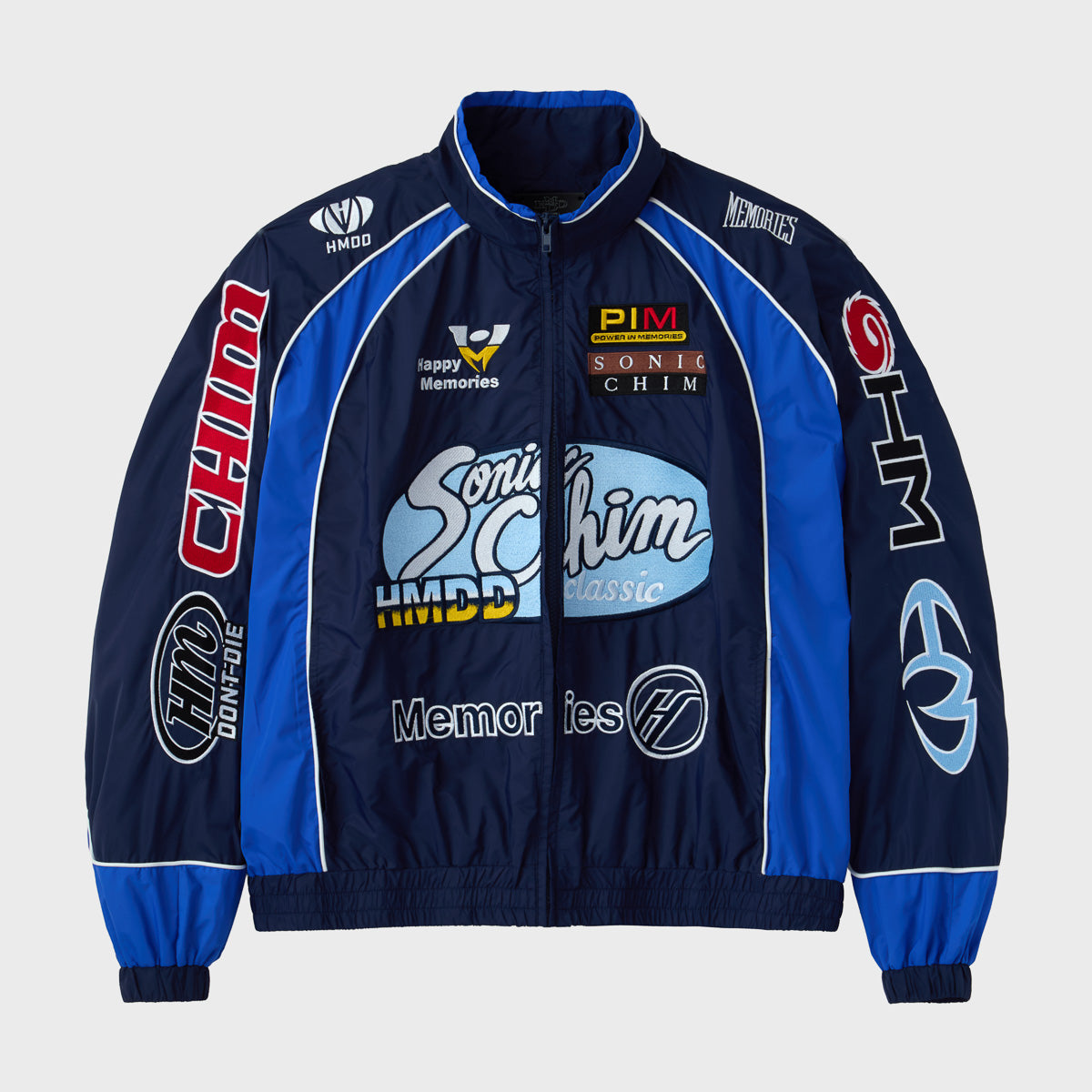
Indie fashion brands generally fall short of the return convenience of large chains, so a buying choice should account for the fact that exchanges may require more time or add expense in shipping than they would with a mass-market seller. Nothing here is specific to HMDD alone, but it’s part of the real cost of buying from a niche, creativity-led label rather than a large-scale retailer with warehouse-scale logistics.
Final Verdict: Does HMDD Deliver Value?
Especially the sweatpants and shorts provide solid long-term value because they’re adaptable, reliably fitted, and durable to frequent laundering better than budget basics. The “happy memories dont die” philosophy isn’t just surface-level messaging — it is reflected in design choices that lean toward emotional value and durability over short-lived trend cycles.
The place where you ought to proceed cautiously is if you’re counting on couture-grade construction at mid-tier prices, or if you need dependable restocks and liberal return windows. These qualities simply aren’t strengths of the limited-drop model HMDD operates under, and no straightforward write-up should pretend otherwise. For your individual situation in 2026, the cost-benefit question becomes far simpler to resolve once you balance your own criteria — cost-per-wear, aesthetic fit, and willingness to accept limited restocks — against what HMDD offers.